Celebrating the Legacy of Black Heritage in NJ
Join us as we honor the rich history and contributions of Black communities in New Jersey. Explore stories, events, and resources that highlight our cultural heritage and promote awareness. Together, we can celebrate our past and inspire future generations.
Black Life in New Jersey: A Historical Foundation
Black history in New Jersey is deep, complex, and essential to understanding the state’s identity. In Afro-Americans in New Jersey: A Short History, historian Giles R. Wright explains that the Black presence in New Jersey has carried a “paradoxical and bittersweet” quality: New Jersey was both a place of hardship and discrimination and, at the same time, a place of refuge, community-building, and opportunity for many Black people. That tension is at the heart of New Jersey’s Black history and remains central to the work of preserving it today.
From the colonial period forward, Black people helped shape New Jersey’s economy, culture, and communities. Wright documents that slavery existed in New Jersey from the earliest years of European settlement and became deeply connected to farming, domestic labor, skilled trades, and colonial wealth. Although New Jersey is often remembered as a northern state, its history also includes enslavement, racial exclusion, gradual abolition, and long struggles for civil rights, citizenship, education, and dignity.
At the same time, New Jersey became home to free Black communities, churches, schools, mutual aid organizations, abolitionist networks, and Underground Railroad activity. Black residents built institutions that sustained family life, faith, education, resistance, and leadership across generations. Communities such as Timbuctoo, Lawnside, Burlington, Camden, Cape May, Newark, Trenton, and other places across the state show how Black New Jerseyans created spaces of freedom, resilience, and self-determination even in the face of discrimination and danger.
This history also reveals the importance of geography. New Jersey’s location between New York and Philadelphia, its connections to the Delaware River, its proximity to southern states, and its mix of rural and urban communities made it a significant site for migration, labor, abolition, and Black cultural life. Wright’s historical maps and population studies show how Black communities grew, shifted, and organized across the state over time, making New Jersey a critical place for understanding the broader African American experience.
The Black Heritage Foundation of New Jersey builds upon this historical foundation by helping preserve, interpret, and share these stories with the public. Our work honors the people, places, movements, and institutions that shaped Black life in New Jersey—from enslaved people and freedom seekers to educators, ministers, entrepreneurs, veterans, artists, activists, and community builders. By protecting this history, we help future generations see New Jersey more fully, remember those whose stories were too often overlooked, and carry forward a legacy of truth, pride, resilience, and possibility.
You can find Afro-Americans in New Jersey: A Short History by historian Giles R. Wright for free at:http://hdl.handle.net/10929/18620
New Jersey: The Last Northern State to Enslavement
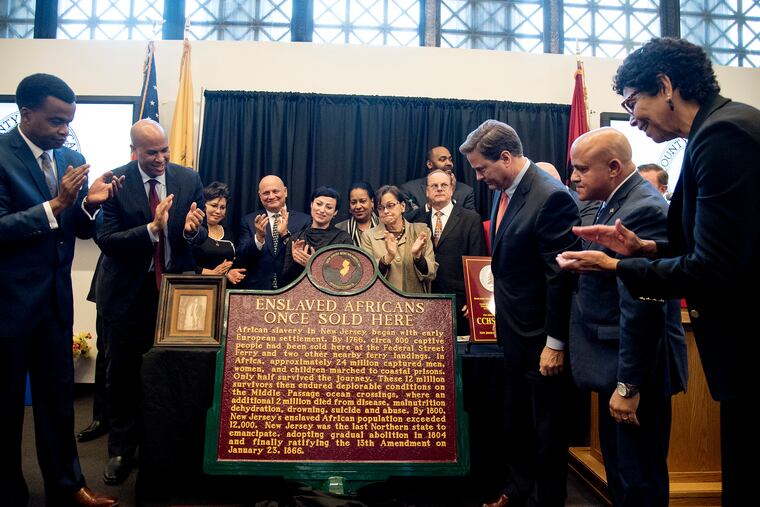
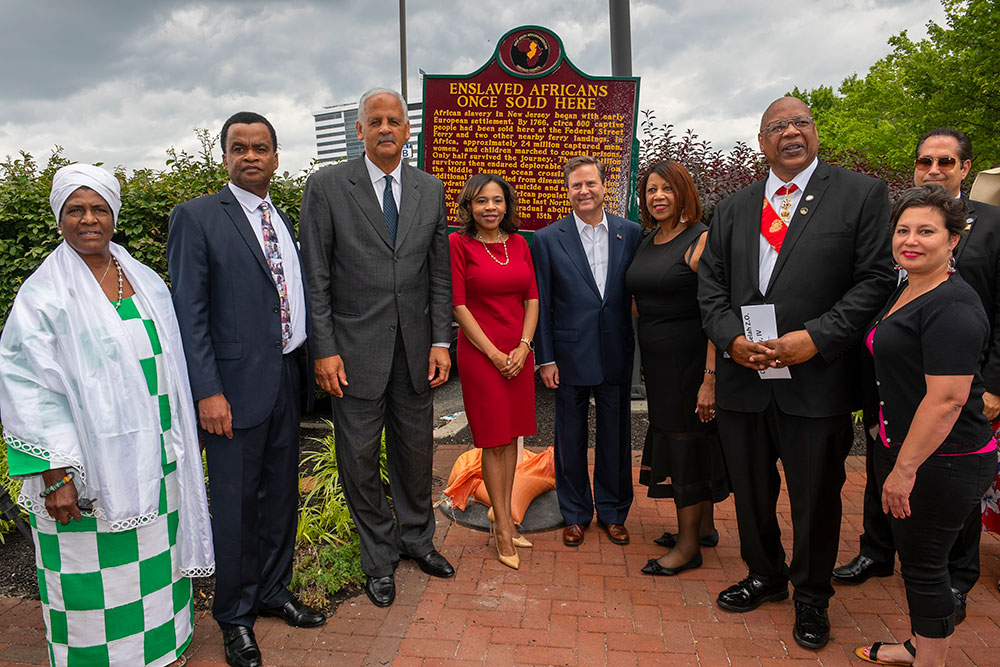
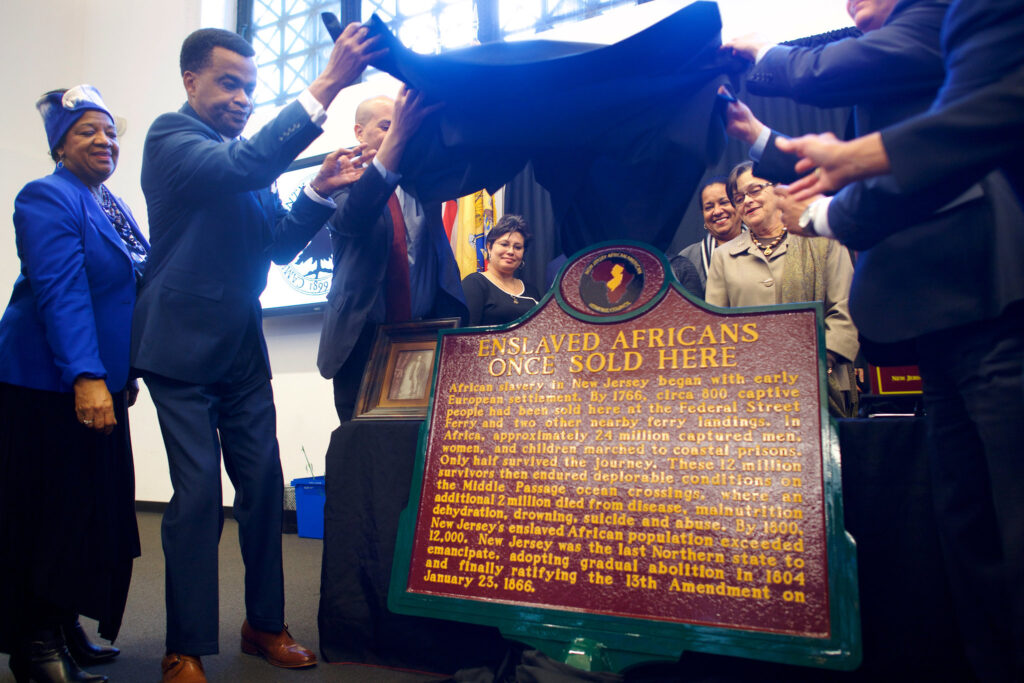
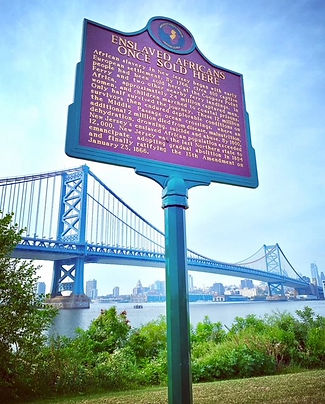
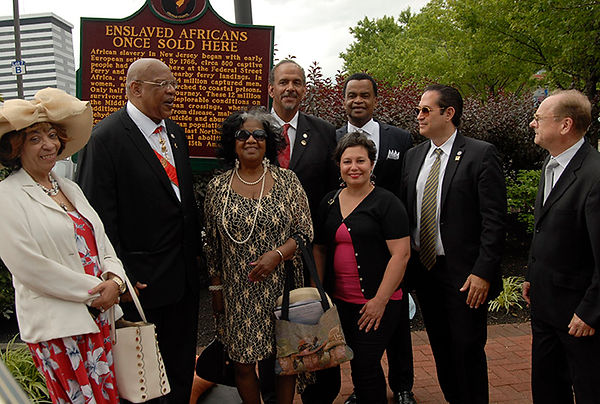
Juneteenth is widely recognized as a day of celebration, remembrance, and truth-telling. It commemorates June 19, 1865, when enslaved Black people in Galveston, Texas learned that they had been declared free under President Abraham Lincoln’s Emancipation Proclamation more than two years earlier. Yet New Jersey’s own history complicates the way many people understand freedom in the North. As Noelle Lorraine Williams, Director of the African American History Program for the New Jersey Historical Commission, powerfully reminds us, enslaved Black men and women still remained in New Jersey even after Juneteenth. Approximately sixteen African Americans were still technically enslaved in the state until slavery’s final legal end in New Jersey in 1866.
This painful history reveals that New Jersey was not simply a northern refuge from slavery. It was also a state where slavery endured for generations and where emancipation was delayed by law, politics, economics, and racial injustice. Although many Black, mixed-race, and white abolitionists fought against slavery, many New Jersey lawmakers refused to condemn the institution fully. Profits connected to slaveholding and forced labor helped shape the development of major cities, commercial centers, farms, households, and regional economies, including places such as Newark and communities in Bergen County. New Jersey’s relationship to slavery was therefore not distant or accidental; it was woven into the state’s economic and political life.
The roots of this delay reach back to New Jersey’s 1804 Gradual Abolition Act. While the law is often described as a step toward emancipation, it did not immediately free enslaved people. Instead, it postponed freedom for decades. Children born to enslaved Black mothers after July 4, 1804, were not born into immediate freedom. Women were required to serve until age twenty-one, and men until age twenty-five. Their parents, siblings, loved ones, and community members could remain enslaved for life unless they escaped, were manumitted, or were otherwise able to secure freedom. In practical terms, the law protected the interests of enslavers while forcing Black families to endure continued separation, labor exploitation, and uncertainty.
New Jersey’s resistance to full emancipation continued into the Civil War era. Lincoln’s Emancipation Proclamation of 1863 did not free enslaved people in loyal northern states; it applied primarily to states in rebellion against the Union. Even after the war and even after Juneteenth, New Jersey initially refused to ratify the Thirteenth Amendment, the constitutional amendment that abolished slavery and involuntary servitude throughout the United States. Slavery’s final legal death in New Jersey came on January 23, 1866, when Governor Marcus L. Ward signed a state constitutional amendment that brought an absolute end to slavery in the state. This means slavery survived in New Jersey for months after freedom was announced in Texas.
For the Black Heritage Foundation of New Jersey, this history must be remembered with honesty and care. New Jersey was a place of Black struggle, abolitionist organizing, Underground Railroad activity, free Black communities, churches, schools, resistance, and self-determination. But it was also a place where slavery persisted, where lawmakers delayed justice, and where Black families were forced to fight for freedom across generations. To tell the full story of New Jersey is to acknowledge both the pain and the perseverance.
We gratefully acknowledge the historical work and public scholarship of Noelle Lorraine Williams, Director of the African American History Program for the New Jersey Historical Commission, whose writing on New Jersey as the last northern state to end slavery helps deepen public understanding of Juneteenth, emancipation, and the unfinished struggle for Black freedom. Her work reminds us that Juneteenth is not only a Texas story or a Southern story. It is also a New Jersey story—one that calls us to remember those who were denied freedom, honor those who resisted, and continue the work of preserving Black history with truth, dignity, and purpose.
You can use the following link to read Noelle Lorraine Williams’ work on this topic for free at: https://nj.gov/state/historical/his-2021-juneteenth.shtml
Explore Our Featured Stories By Coming to Events Near You
Delve into the rich narratives that shape our communities and expand our New Jersey History. Each story showcases unique experiences and contributions, inviting you to learn and connect with our heritage. See Below for events coming to your area of New Jersey.